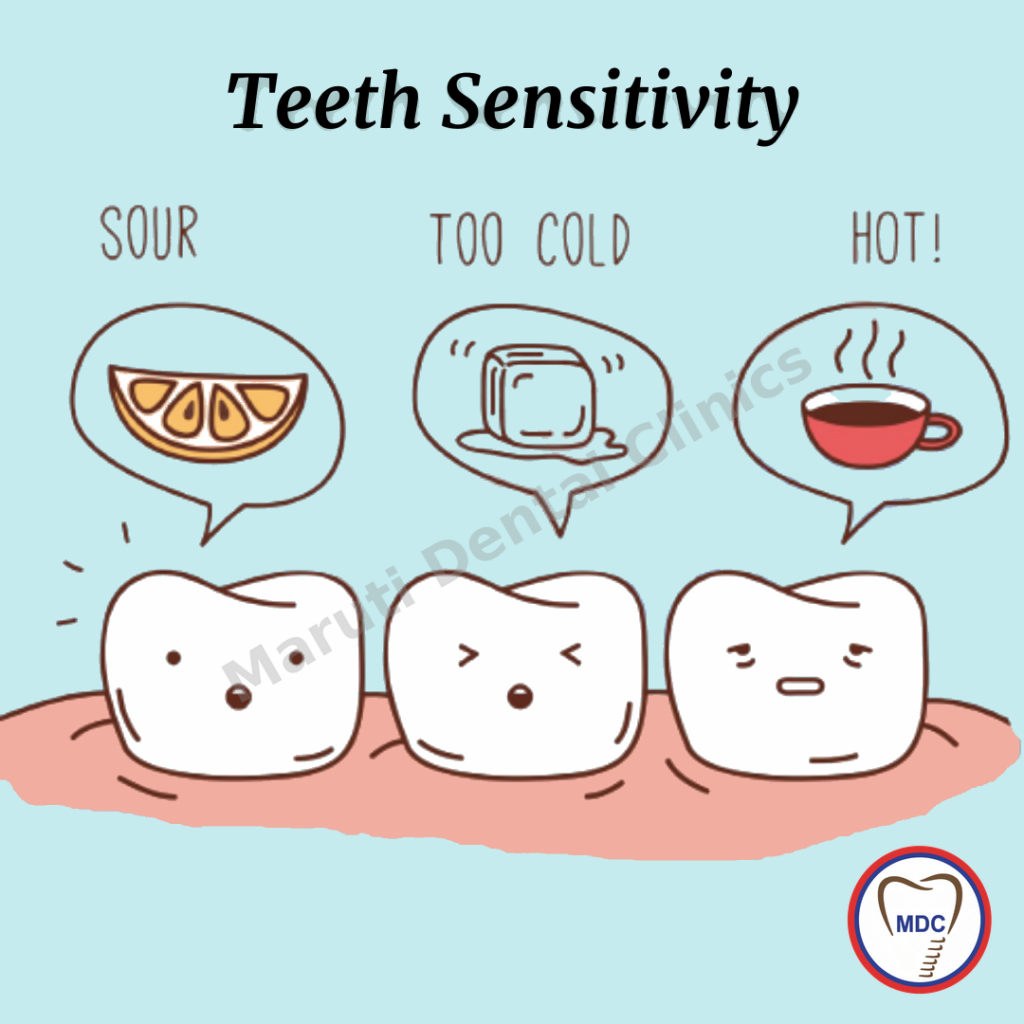

Do you feel a sudden sharp pain when eating ice cream, drinking hot coffee, or brushing your teeth? If yes, you may be suffering from tooth sensitivity.
Tooth sensitivity is one of the most common dental problems affecting millions of people worldwide. The good news is that it is treatable once the underlying cause is identified. Whether your sensitivity is due to worn enamel, gum recession, cavities, or teeth grinding, early treatment can help prevent further damage and provide lasting relief.
What is Tooth Sensitivity?
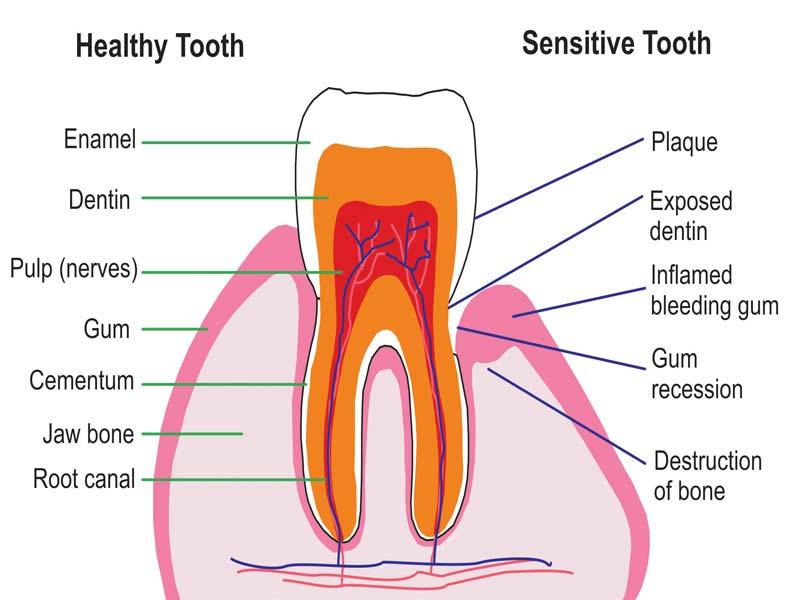
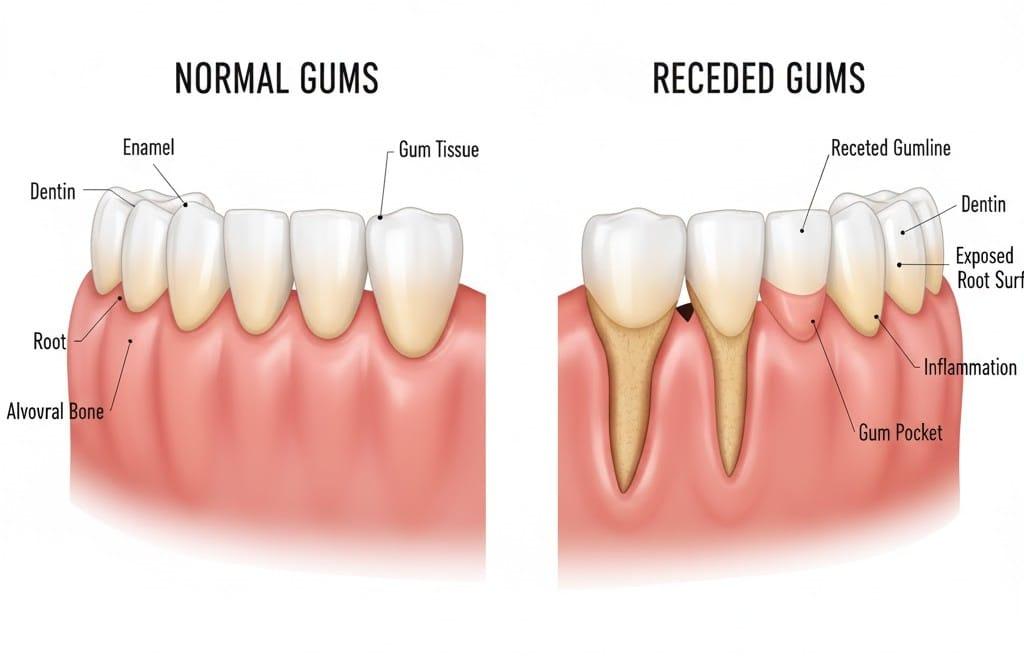
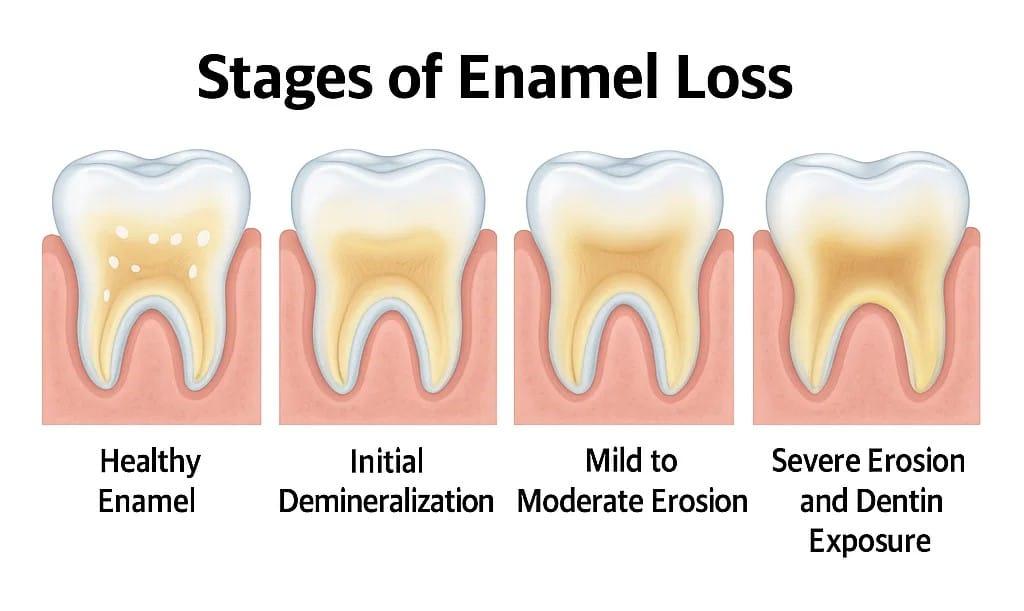
Tooth sensitivity, also known as dentin hypersensitivity, occurs when the protective enamel wears away or the gums recede, exposing the dentin beneath. This allows hot, cold, sweet, or acidic foods to stimulate the nerves inside the tooth, causing sudden pain.
Common Symptoms of Sensitive Teeth
- Sharp pain while eating ice cream
- Pain while drinking hot tea or coffee
- Sensitivity to cold water
- Pain during brushing or flossing
- Discomfort while breathing cold air
- Occasional shooting pain in one or more teeth
Causes of Tooth Sensitivity
1. Worn Tooth Enamel
Aggressive brushing and acidic foods gradually wear down the enamel.
2. Gum Recession
Receding gums expose the sensitive tooth roots.
3. Tooth Decay
Cavities allow bacteria to reach deeper layers of the tooth.
4. Cracked Teeth
Tiny cracks expose nerve endings.
5. Teeth Grinding (Bruxism)
Grinding slowly removes the protective enamel.
6. Recent Dental Procedures
Sensitivity after teeth whitening, fillings, or cleaning is often temporary.
Teeth Sensitivity Treatment Options
1. Desensitizing Toothpaste
Special toothpaste contains compounds that block pain signals from reaching the nerves.
Use it twice daily for several weeks for the best results.
2. Fluoride Treatment
Professional fluoride application strengthens enamel and reduces sensitivity.
Benefits include:
- Stronger enamel
- Less pain
- Better protection against cavities
3. Dental Bonding
If dentin is exposed, your dentist may apply a tooth-colored bonding material to protect sensitive areas.
4. Gum Grafting
For severe gum recession, gum tissue may be surgically placed over exposed roots.
5. Root Canal Treatment
When sensitivity is caused by nerve damage or infection, root canal therapy may be the most effective solution.
6. Night Guard for Teeth Grinding
A custom mouthguard protects enamel from damage caused by grinding during sleep.
Home Remedies for Sensitive Teeth
While professional treatment is best, these habits may help reduce discomfort:
- Brush with a soft-bristled toothbrush
- Avoid acidic foods and drinks
- Limit sugary snacks
- Use fluoride mouthwash
- Avoid brushing immediately after acidic meals
- Maintain excellent oral hygiene
Foods to Eat
Choose foods rich in calcium and phosphorus:
- Milk
- Cheese
- Yogurt
- Leafy vegetables
- Eggs
- Almonds
Foods to Avoid
Reduce consumption of:
- Soft drinks
- Citrus fruits
- Ice cream
- Candy
- Vinegar
- Pickles
When Should You Visit a Dentist?
Visit a dentist if:
- Pain lasts more than a few days
- Only one tooth is sensitive
- Swelling develops
- Pain occurs while chewing
- Home remedies do not help
How to Prevent Tooth Sensitivity
- Brush gently twice daily
- Use fluoride toothpaste
- Floss every day
- Wear a mouthguard if you grind your teeth
- Visit your dentist every six months
- Avoid excessive acidic foods
Frequently Asked Questions
Q1.) Can sensitive teeth be cured permanently?
Yes. If the underlying cause is treated, sensitivity can often be eliminated permanently.
Q2.) Is tooth sensitivity a sign of cavities?
Sometimes. Sensitivity may indicate cavities, cracked teeth, worn enamel, or gum recession.
Q3.) Which toothpaste is best for sensitive teeth?
Dentists commonly recommend toothpaste specifically formulated for sensitive teeth containing potassium nitrate or stannous fluoride.
How long does treatment take?
Mild sensitivity often improves within 2–4 weeks using desensitizing toothpaste, while advanced cases may require professional dental treatment.