
Introduction: What Is an Intra-oral Scanner?
An Intra-oral Scanner is a state-of-the-art dental device that captures digital impressions of teeth and gums. Unlike traditional putty impressions, this scanner uses a small handheld wand to create highly accurate 3D images of the oral cavity in real time.
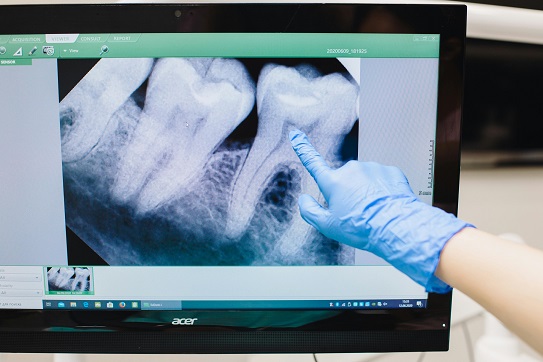
Dentists around the world prefer intra-oral scanners because they improve comfort, save time, and offer precision that putty impressions cannot match. With the rise of digital dentistry, intra-oral scanners are becoming indispensable tools for modern clinics.
Why Intra-oral Scanners Are Revolutionizing Dentistry
Intra-oral scanners are changing how dental professionals diagnose and treat patients. Here’s why:
1. Accurate Digital Impressions
Scanners produce precise 3D models that eliminate the errors common with traditional impression materials.
2. Enhanced Patient Comfort
No more messy dental putty! Patients experience a pleasant and comfortable scanning process.
3. Faster Workflow
Scanned images upload instantly to CAD/CAM systems, reducing chair time and speeding up the creation of crowns, bridges, aligners, and dentures.
4. Better Communication
Digital models help dentists explain procedures more clearly, improving trust and understanding.
5. Eco-Friendly and Cost-Efficient
No physical materials are wasted, and digital records can be reused without storage space.
How Intra-oral Scanners Work
Here’s a simplified step-by-step process:
- Preparation: Dentist ensures the patient’s mouth is clean and ready.
- Scanning: A compact wand is moved inside the mouth to capture images.
- Real-Time 3D Model: Images are processed into a digital 3D model instantly.
- Refinement: Dentist can view, zoom, and adjust the scan before saving.
- Use in Treatment: The 3D model goes directly into treatment planning or fabrication.
Each step uses advanced optical and software technologies, delivering high-resolution 3D files known as STL or PLY.
Applications of Intra-oral Scanners
Intra-oral scanners are used in various treatments:
• Orthodontics
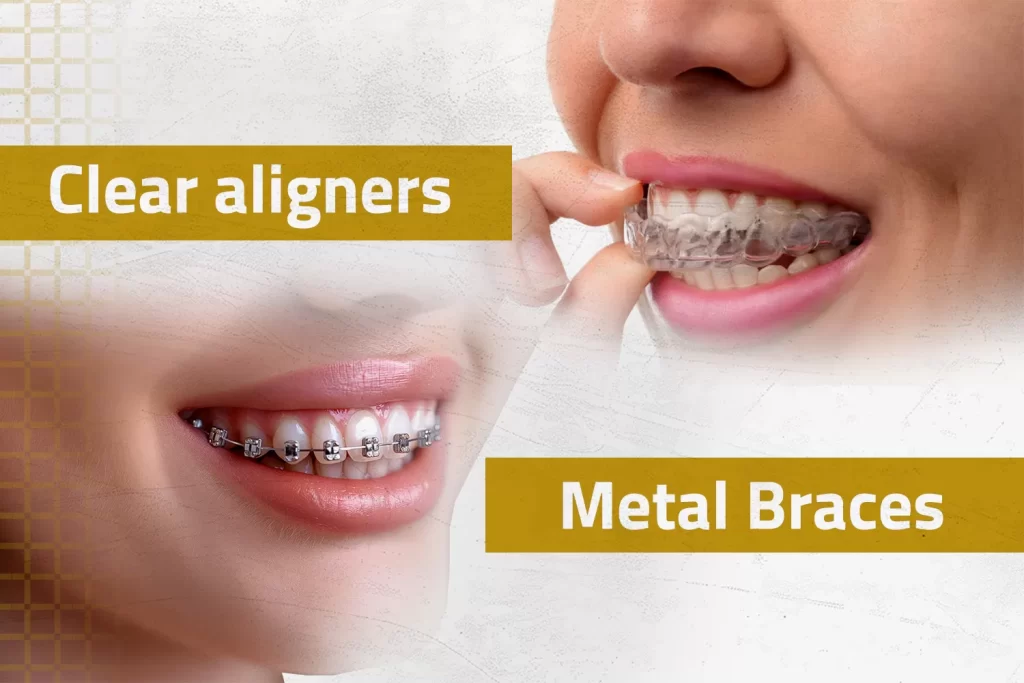
For planning braces, clear aligners (like Invisalign), retainers, and monitoring tooth movement.
• Restorative Dentistry
Designing crowns, veneers, bridges, and dental implants with precise fits.
• Prosthodontics
Creating dentures and partial dentures with improved accuracy.
• Implantology
Accurate digital models allow better implant planning and guide fabrication.
Benefits Over Traditional Impression Methods
| Feature | Traditional Impressions | Intra-oral Scanner |
|---|---|---|
| Comfort | 😖 Uncomfortable | 😊 Comfortable |
| Accuracy | Moderate | High |
| Speed | Slower | Instant |
| Messiness | High | None |
| Communication | Limited | Excellent |
Common Misconceptions
❌ “Scanners only benefit dentists.” — False: Patients enjoy shorter visits and clearer results.
❌ “All scanners are the same.” — False: Models differ in accuracy, speed, and workflow features.
📌 Intra-oral Scanner Ka FAQ (English + Simple Explanation)
Q1: What is an Intra-oral Scanner used for?
A1: It captures a digital 3D model of teeth and gums for designing restorations like crowns, bridges, aligners, and dentures.
Q2: Does the scanner hurt?
A2: No, the scanning process is painless and more comfortable than traditional impression materials.
Q3: Are digital impressions more accurate?
A3: Yes, studies show digital scans often deliver superior precision compared to putty impressions.
Q4: How long does a scan take?
A4: Usually just a few minutes, depending on the area scanned and the complexity.
Q5: Can children use intra-oral scanners?
A5: Yes, scanners are suitable for patients of all ages, including kids.
Q6: Is the scan safe?
A6: Yes. It uses optical scanning (no radiation) and is completely safe for patients.
⭐ Transition Words Used
- Because
- However
- Also
- Therefore
- Additionally
- In addition
- For example
- Instead