
When visiting a dental clinic, most patients focus on treatment quality, doctor expertise, and affordability. However, one equally important factor often overlooked is dental clinic hygiene. A clean and properly sanitized dental clinic plays a critical role in protecting patients from infections, cross-contamination, and serious health risks.
Maintaining hygiene standards in dental clinics is not only a professional responsibility but also an essential part of patient safety. From sterilized instruments to disinfected treatment areas, every aspect of cleanliness contributes to healthier outcomes and a better patient experience.
In this article, we will explore why dental clinic hygiene matters, the risks of poor hygiene, standard sterilization practices, and how you can identify a safe and hygienic dental clinic.
Why Dental Clinic Hygiene Is Important
1. Prevents Infections
Dental procedures often involve direct contact with blood, saliva, and oral tissues. Without proper sterilization and sanitation, harmful bacteria and viruses can spread between patients.
Good hygiene practices help prevent:
- Bacterial infections
- Viral diseases
- Gum infections
- Cross-contamination
- Airborne infections
Common Risks of Poor Dental Hygiene Standards
Poor hygiene in dental clinics may increase the risk of exposure to:
- Hepatitis B and C
- Influenza viruses
- Oral fungal infections
- Respiratory infections
- Contaminated instruments
Patients with weaker immune systems, children, and elderly individuals are especially vulnerable.
Essential Hygiene Practices in Dental Clinics
1. Sterilization of Dental Instruments
All reusable instruments should be cleaned and sterilized using medical-grade equipment such as autoclaves.
Common Sterilization Methods
| Method | Purpose |
|---|---|
| Autoclave Sterilization | Uses steam and pressure to kill microorganisms |
| Chemical Disinfection | Cleans surfaces and non-heat resistant items |
| UV Sterilization | Additional microbial control |
| Disposable Tools | Prevents reuse contamination |
2. Use of Protective Equipment
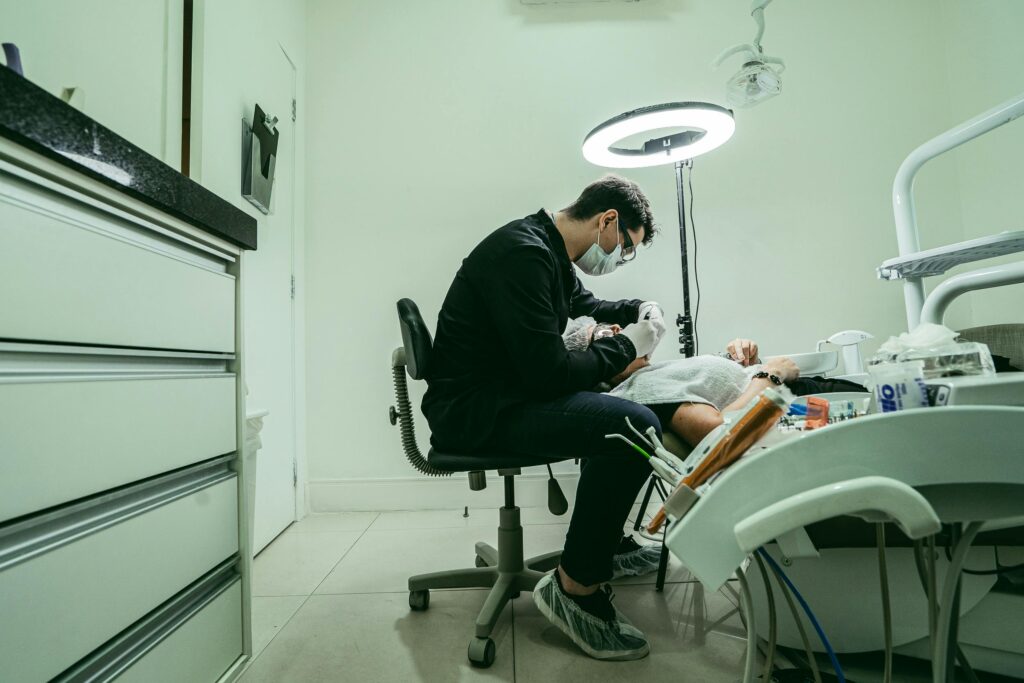
Dentists and assistants should wear:
- Gloves
- Face masks
- Protective eyewear
- Face shields
- Disposable gowns
These protective barriers reduce infection risks for both patients and staff.
3. Surface Disinfection
Dental chairs, trays, lights, handles, and counters should be disinfected after every patient visit.
High-touch surfaces can easily become sources of contamination if not cleaned regularly.
4. Proper Waste Disposal
Medical waste such as needles, cotton, gauze, and disposable tools must be safely discarded following biomedical waste management guidelines.
Improper disposal may create serious health hazards.
5. Hand Hygiene
Hand washing and sanitization remain one of the most effective infection-control practices in healthcare settings.
Dental professionals should sanitize hands:
- Before patient contact
- After removing gloves
- Before procedures
- After touching contaminated surfaces
How Dental Clinic Hygiene Affects Overall Health
Oral health is closely connected to overall body health. Poor infection control can contribute to systemic complications such as:
- Heart disease risks
- Diabetes complications
- Respiratory illnesses
- Bloodstream infections
A hygienic dental clinic helps ensure safe treatment and supports long-term wellness.
Signs of a Hygienic Dental Clinic
When choosing a dental clinic, look for these signs:
Clean Environment
The reception area, treatment room, and washrooms should appear clean and organized.
Sealed Sterilized Instruments
Instruments should be opened from sealed sterilization packs in front of patients.
Use of Disposable Items
Items like gloves, suction tips, syringes, and masks should be single-use whenever possible.
Staff Hygiene
Dental staff should maintain clean uniforms and proper protective equipment.
Modern Sterilization Equipment
Clinics using advanced sterilization systems usually follow better safety standards.
Tips for Patients Before Dental Treatment
Ask Questions
Do not hesitate to ask the clinic about sterilization and hygiene protocols.
Observe Cleanliness
Pay attention to waiting areas, equipment, and staff practices.
Check Reviews
Patient reviews can provide insights into clinic cleanliness and professionalism.
Verify Certifications
Choose clinics following recognized healthcare and infection-control guidelines.
Importance of Hygiene After COVID-19
The COVID-19 pandemic significantly increased awareness regarding infection control in healthcare environments.
Today, many dental clinics follow enhanced safety measures including:
- Air filtration systems
- Appointment spacing
- Contactless payments
- PPE upgrades
- Temperature checks
- Frequent sanitization
Frequently Asked Questions (FAQs)
1. Why is hygiene important in dental clinics?
Hygiene prevents infections, cross-contamination, and the spread of harmful bacteria and viruses during dental procedures.
2. How are dental instruments sterilized?
Most clinics use autoclave sterilization, which uses high-pressure steam to kill microorganisms.
3. Can poor dental hygiene standards cause disease transmission?
Yes, improper sterilization and sanitation can increase the risk of bacterial and viral infections.
4. How can I identify a hygienic dental clinic?
Look for clean treatment areas, sterilized instruments, protective equipment, and proper staff hygiene practices.
5. Are disposable dental tools safer?
Disposable tools reduce contamination risks because they are used only once.
6. What safety measures do dental clinics follow after COVID-19?
Many clinics now use enhanced disinfection, PPE, air filtration, and appointment management systems.