
Dental implants are one of the most effective solutions for replacing missing teeth. They look natural, improve chewing ability, and help maintain jawbone strength. However, many patients hesitate because dental implant surgery can be expensive.
A common question people ask is: “Does health insurance cover dental implant surgery?”
The answer depends on your insurance provider, the reason for the implant, and whether your policy includes dental benefits. In this article, you will learn how insurance coverage works for dental implants, what costs are included, common exclusions, and how to reduce your expenses.
What Is Dental Implant Surgery?
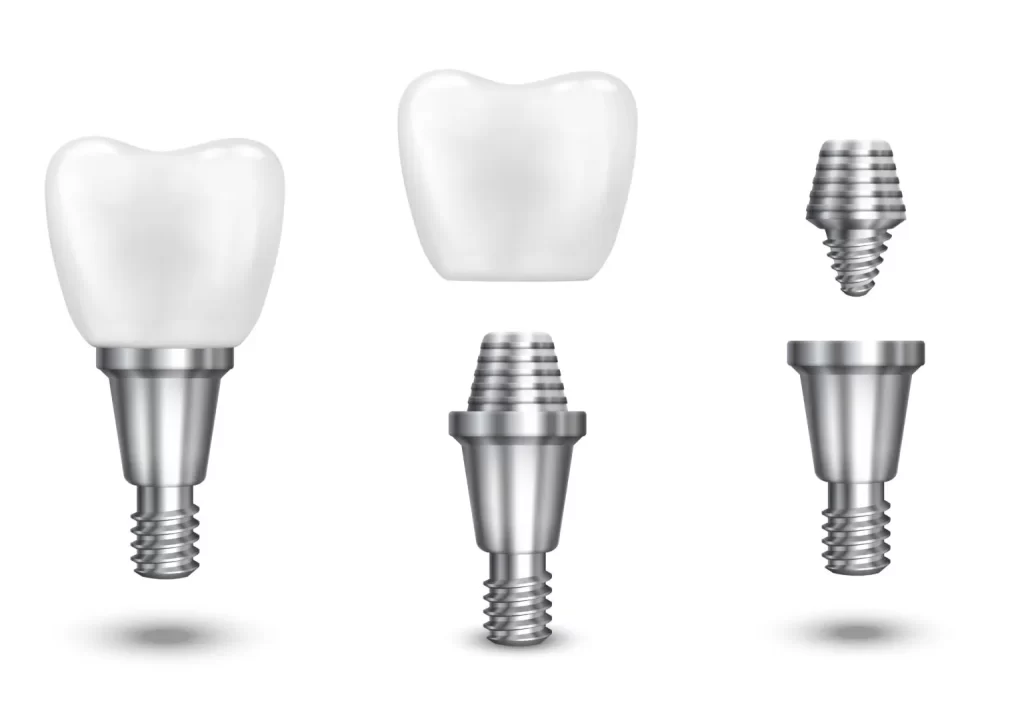
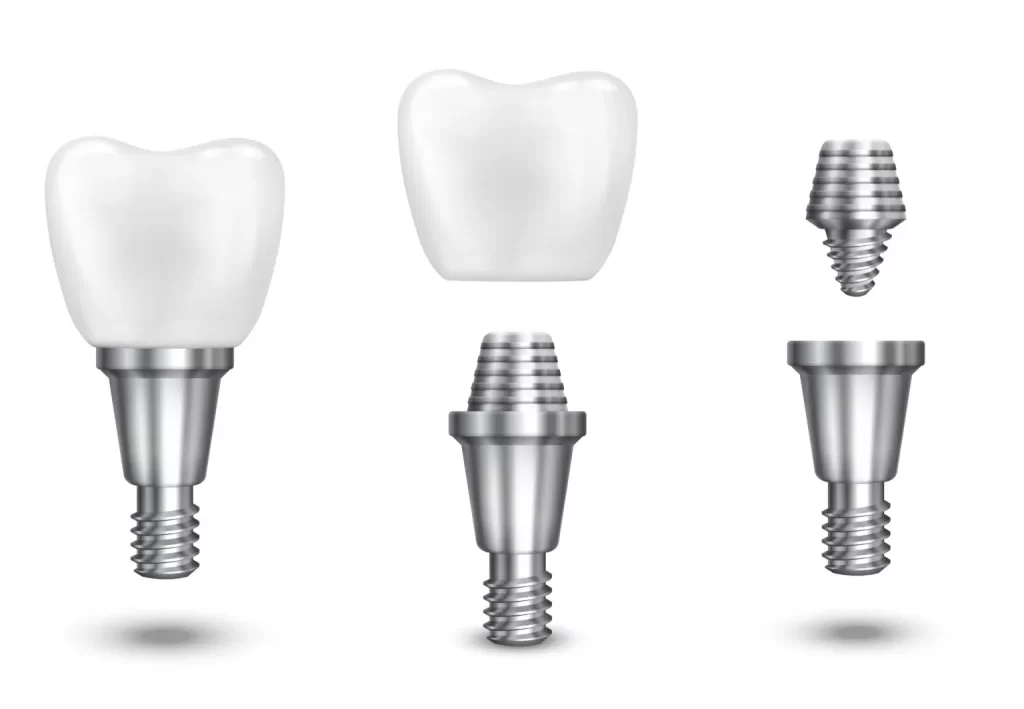
Dental implant surgery is a procedure where a titanium post is placed into the jawbone to replace a missing tooth root. After healing, a crown is attached to the implant.
A complete dental implant usually includes:
- Implant post
- Abutment
- Dental crown
- X-rays and consultations
- Oral surgery procedures
Does Health Insurance Cover Dental Implant Surgery?
In most cases, standard health insurance does not fully cover dental implant surgery because implants are considered a dental or cosmetic procedure.
However, some insurance plans may provide partial coverage if the surgery is medically necessary. Examples include:
- Tooth loss due to accidents
- Jaw injury or trauma
- Oral cancer surgery
- Congenital dental defects
- Severe infections affecting oral health
When Insurance May Cover Dental Implants
Insurance companies may approve dental implant coverage under certain conditions.
1. Accident or Injury
If you lose teeth in a car accident or sports injury, medical insurance may help cover oral surgery costs.
2. Medical Necessity
Coverage may be approved if implants are required after:
- Facial trauma
- Tumor removal
- Bone reconstruction surgery
3. Dental Insurance Add-Ons
Premium dental plans sometimes cover:
- Implant placement
- Tooth extraction
- Crowns
- Bone grafting
FAQs
1. Does health insurance usually cover dental implants?
Most health insurance plans do not fully cover dental implants unless they are medically necessary after injury or disease.
2. Are dental implants considered cosmetic?
Many insurers classify implants as cosmetic or elective procedures, which limits coverage.
3. How much do dental implants cost without insurance?
A single implant may cost between $3,000 and $6,000 without insurance.
4. Does Medicare pay for dental implants?
Original Medicare usually does not cover routine dental implants, but some Medicare Advantage plans may include limited benefits.
5. Can dental insurance reduce implant costs?
Yes, some dental insurance plans partially cover implant surgery, crowns, and related procedures.